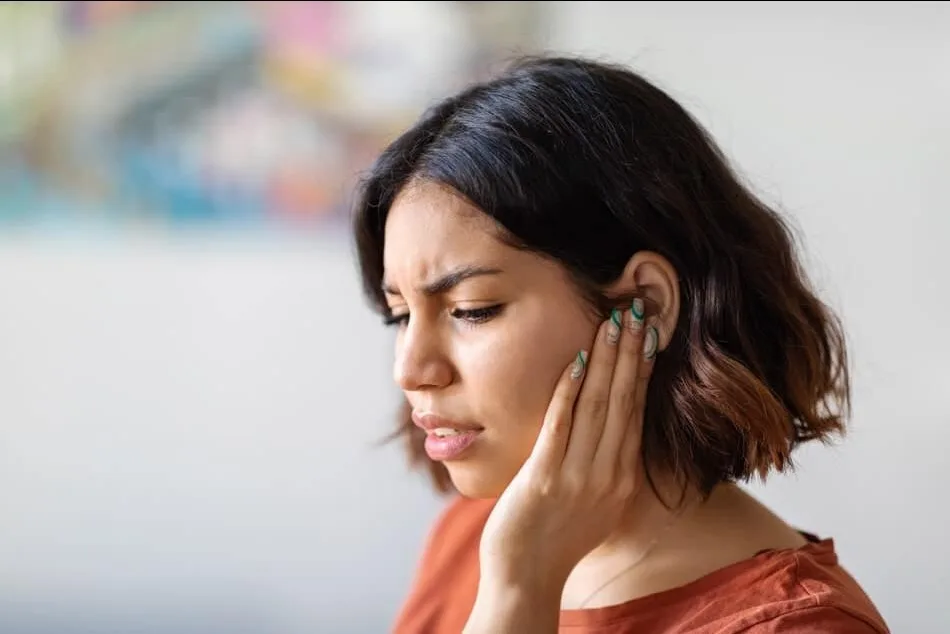

At our practice serving Silicon Valley, we provide skilled diagnosis and treatment for bruxism and TMJ-related concerns. Through personalized care and advanced solutions like custom night guards and oral appliances, we help protect your teeth while relieving discomfort.
Understanding Bruxism
Bruxism occurs when a person involuntarily grinds or clenches their teeth. While it often happens at night, it can also occur during the day. Over time, this condition can cause significant damage to your teeth and jaw.
Common causes of bruxism
- Stress and anxiety
- Misaligned teeth or jaw
- Sleep disorders such as sleep apnea
- TMJ dysfunction
Bruxism is often unnoticed until symptoms, such as jaw pain or worn tooth enamel, appear. If left untreated, it can lead to more severe issues, including fractured teeth and chronic jaw joint problems.
The Connection Between Bruxism and TMJ
Bruxism is a common symptom of temporomandibular joint disorders (TMJ/TMD). The excessive pressure from grinding and clenching can strain the jaw joint, leading to pain, inflammation, and limited jaw movement.
Symptoms of TMJ disorders related to bruxism
- Jaw pain or tenderness
- Clicking or popping sounds in the jaw
- Facial pain
- Headaches or migraines
- Difficulty chewing or opening the mouth
Effective Treatment Options for Bruxism and TMJ
Custom night guards
Night guards are custom-fitted oral appliances worn during sleep. They act as a barrier between your teeth, preventing grinding and clenching. This helps reduce stress on the jaw and protects the teeth from damage.
Oral appliances
Oral appliances are designed to reposition the jaw, alleviating pressure on the temporomandibular joint. They are comfortable, noninvasive, and highly effective for managing both bruxism and TMJ.
TENS therapy
Transcutaneous Electric Nerve Stimulation (TENS) uses mild electrical pulses to relax the jaw muscles and reduce pain. This treatment provides immediate relief and complements other TMJ therapies.
Restorative solutions
For teeth damaged by bruxism, we offer restorative treatments such as dental implants to replace missing teeth, and crowns and bridges to repair cracked or worn teeth.
Simple Lifestyle Changes to Reduce Bruxism
- Manage stress: Practice relaxation techniques like yoga, meditation, or light exercise.
- Avoid caffeine and alcohol: These substances can increase nighttime grinding.
- Use supportive bedding: A proper pillow and mattress can improve sleep quality and reduce jaw strain.
- Avoid hard or chewy foods: Minimize jaw strain by avoiding tough or sticky foods.
- Wear your oral appliance consistently: Ensure you follow your dentist’s instructions for maximum protection.
The Dangers of Untreated Bruxism and TMJ
Untreated bruxism can lead to severe complications, including worn or cracked tooth enamel, broken crowns or bridges, chronic jaw pain and limited jaw movement, and structural changes to the jaw and facial appearance.
Take the First Step Toward Relief
Don’t let bruxism or TMJ disrupt your life. Whether you need a custom night guard, TENS therapy, or restorative care, we are here to help. Call Top Down Dental today at (408) 354-5600 for the care you need to protect your teeth, relieve pain, and improve your quality of life.
FAQs
How can I tell if I’m grinding my teeth while I sleep?
Many people with bruxism are unaware that they grind their teeth while sleeping. During a routine dental exam, our dentist will look for signs of teeth grinding, such as eroded enamel, and may ask follow-up questions about your jaw pain and sleep quality.
Am I able to wear a sports mouth guard instead of a night guard?
Sports mouthguards are typically larger and can be uncomfortable for sleeping, and are not designed to effectively prevent teeth grinding at night. For optimal comfort and effectiveness, it’s best to invest in a custom-fitted night guard.
Do I need to be concerned about my child’s teeth grinding?
Yes. Grinding can wear down tooth enamel and cause jaw pain, sleep disruption, and may indicate underlying issues such as stress or misalignment of the teeth — worth monitoring and mentioning at your child’s next visit.
How can my dentist help?
Your dentist can create a customized treatment plan that may include a custom oral appliance, reconstructive work such as fillings or crowns, and personalized at-home management recommendations.
Ready to Schedule Your Visit?
Call (408) 403-5980 or request an appointment online.
Request an Appointment
-converted-from-jpg.webp)