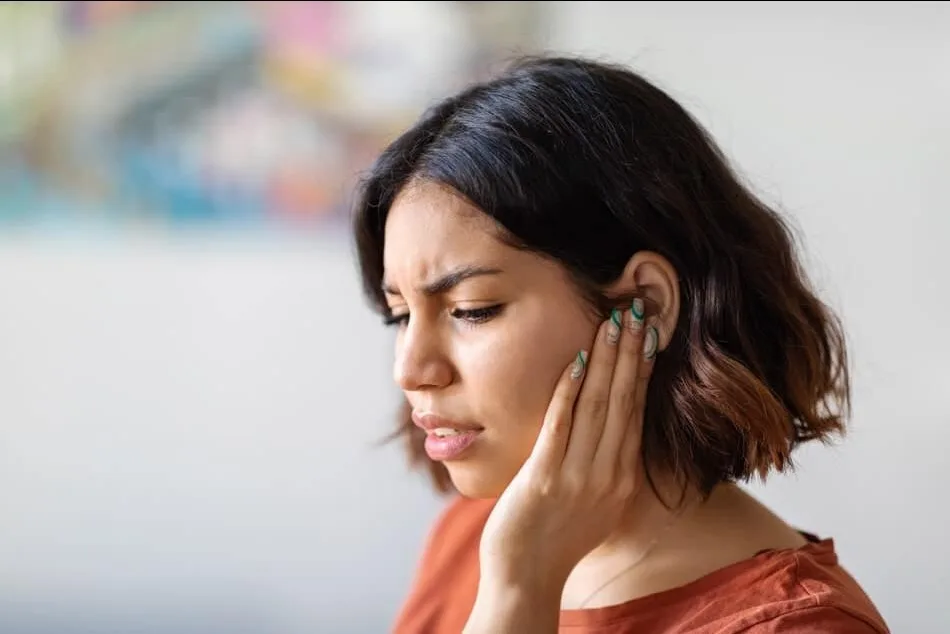
However, when your bite is misaligned or you grind or clench your teeth, you may begin to experience discomfort or tightness in the jaw — early signs of temporomandibular joint disorder (TMD). If you’re experiencing these symptoms, it’s time to consult with our Los Gatos dentist for an evaluation.
Understanding TMJ/TMD
The terms TMJ and TMD are often used interchangeably, but they have distinct meanings. TMJ refers to the joint itself, while TMD refers to Temporomandibular Joint Disorder, a condition that impacts these joints. Regardless of terminology, TMD is a painful and complex condition affecting millions of Americans.
Early Signs of TMD
The symptoms of TMD often extend beyond the jaw, making it a challenging condition to diagnose without a skilled professional.
Common early symptoms of TMD
- Jaw pain or tightness
- Ear-related symptoms such as ringing (tinnitus), muffled hearing, or earaches without infection
- Headaches or migraines that don’t respond to typical treatments
- Neck pain, stiffness, or upper back discomfort
- Tingling or numbness in the face, hands, or fingers
These symptoms can worsen over time if left untreated. Early intervention is key to preventing more severe complications.
TMJ and Ear Symptoms
The Temporomandibular Joints are located near the auditory canal, making the ears particularly vulnerable to TMD symptoms. Issues like bite misalignment can lead to ringing in the ears (tinnitus), a sensation of stuffiness or muffled hearing, ear pain without signs of infection, or dizziness due to inner ear disruption.
TMJ and Headache Symptoms
Headaches are one of the most common early signs of TMD. Often mistaken for migraines, TMD-related headaches typically stem from tension in the jaw muscles due to teeth grinding (bruxism), jaw clenching, or misaligned bites.
TMJ and Neck Pain
Neck pain associated with TMD often results from inflammation spreading from the jaw to surrounding muscles, ligaments, and nerves — leading to stiffness, reduced range of motion, and aching in the neck, upper back, and shoulders. Many individuals mistake these symptoms for issues with the cervical spine, but they may be linked to TMD.
At-Home Remedies for Early TMD Symptoms
While professional treatment is essential, you can try some at-home remedies to alleviate symptoms:
- Adjust sleep habits: Use a supportive pillow and avoid sleeping on your stomach
- Apply heat or ice: Use heat to relax tight muscles or ice to reduce inflammation
- Avoid hard foods: Stick to soft foods that minimize strain on your jaw
- Practice stress management: Incorporate relaxation techniques like meditation or deep breathing to reduce clenching and grinding
Effective TMJ Treatment Options
Our Los Gatos dentist offers a variety of treatment options for TMD, with a personalized approach tailored to each patient’s unique needs.
Oral appliance therapy
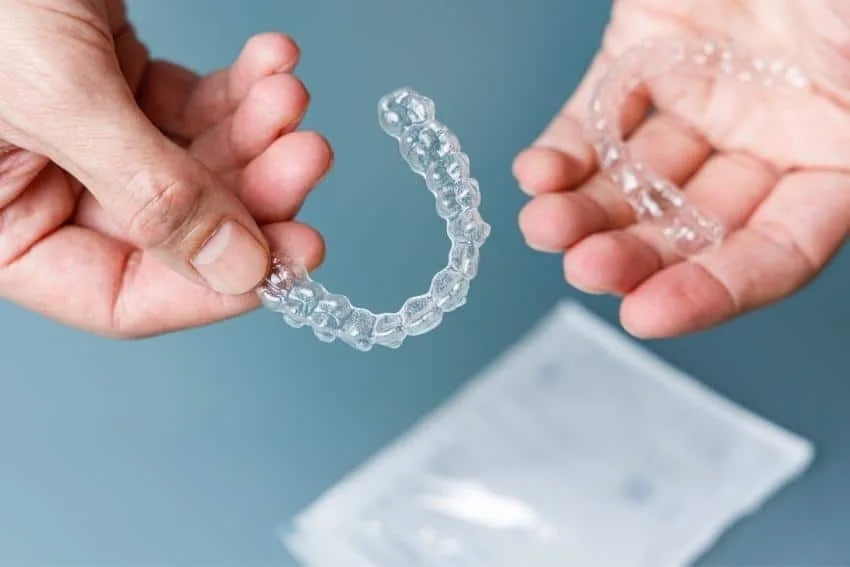
One of the most effective treatments is an oral orthotic or mouth guard. This custom-fitted device aligns the jaw in its optimal position, relieves pressure on the TMJs, and reduces grinding and clenching. Over time, an oral orthotic can retrain your jaw muscles, providing lasting relief and improved function.
Comprehensive care
In addition to oral appliances, we may recommend behavior modifications such as stress management techniques, physical therapy exercises to strengthen and relax jaw muscles, and advanced diagnostic tools to pinpoint the root cause of your symptoms.
Schedule a TMD Consultation in Los Gatos
If you’re experiencing any of the early signs of TMD, don’t wait for symptoms to worsen. Call (408) 354-5600 and, together, we’ll create a personalized treatment plan to help you find relief and restore your quality of life.
Ready to Schedule Your Visit?
Call (408) 403-5980 or request an appointment online.
Request an Appointment